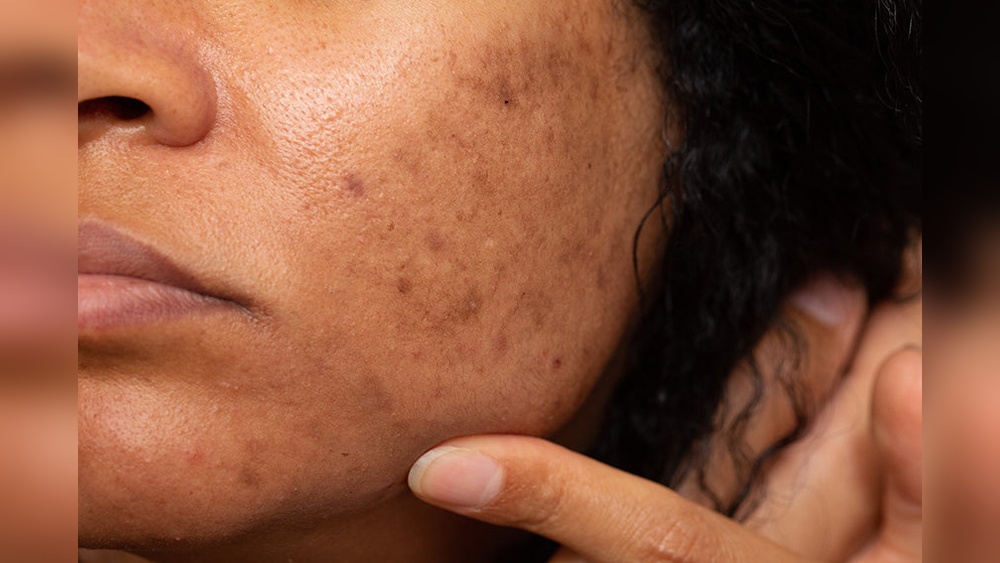

Are you worried that your vitamin C serum might be causing dark spots instead of clearing them up? You’re not alone.
Many people start using vitamin C serum hoping for brighter, smoother skin but then notice unexpected changes. Understanding how this powerful ingredient works and what might trigger dark spots is key to getting the results you want. Keep reading to discover the truth about vitamin C serum and your skin’s health—because your glow shouldn’t come with surprises.

Credit: www.hummingbirdradiance.com
Vitamin C Serum Basics
Vitamin C serum is a popular skincare product. Many people use it to improve their skin’s look. Understanding the basics helps to know how it works and if it can cause dark spots.
Vitamin C is a powerful antioxidant. It protects the skin from damage caused by sun and pollution. This serum delivers vitamin C directly to the skin for better results.
What Is Vitamin C Serum
Vitamin C serum is a liquid skincare product. It contains a high concentration of vitamin C. Usually, it is in the form of L-ascorbic acid or other stable forms. The serum is lightweight and absorbs quickly into the skin. People apply it after cleansing and before moisturizing. Its goal is to brighten the skin and reduce signs of aging.
Common Benefits For Skin
Vitamin C serum can make skin look healthier. It helps to lighten dark spots and uneven skin tone. The serum boosts collagen production, which keeps skin firm. It also protects skin from sun damage and pollution. Many users notice smoother skin and a brighter complexion. Using the serum regularly improves skin texture and glow.
Causes Of Dark Spots
Dark spots are common skin concerns that affect many people. These spots appear as patches of darker skin. They form when the skin produces extra melanin. Melanin is the pigment that gives skin its color. Several factors can cause dark spots to develop. Understanding these causes helps in preventing and treating them effectively.
Sun Exposure Effects
Sunlight is the main cause of dark spots. Ultraviolet (UV) rays trigger melanin production. The skin tries to protect itself by making more pigment. This leads to uneven skin tone and dark spots. Long time in the sun without protection increases this risk. Sunscreen use reduces the chance of developing dark spots.
Hyperpigmentation Triggers
Hyperpigmentation happens when melanin builds up in certain areas. Besides sun exposure, injuries like cuts or acne can trigger this. Hormonal changes also play a role, especially during pregnancy or with certain medications. Some skin products may irritate skin and worsen pigmentation. Knowing these triggers helps manage dark spots better.
Vitamin C Serum And Skin Reactions
Vitamin C serum is popular for brightening skin and fighting signs of aging. Many people use it daily to improve their complexion. Yet, some notice unusual skin reactions after applying the serum. Understanding these reactions helps prevent unwanted effects like dark spots or irritation.
Potential For Irritation
Vitamin C serum can irritate sensitive skin. This irritation may cause redness, itching, or dryness. High concentrations of vitamin C often trigger these reactions. Using a serum with a lower percentage can reduce irritation risks. Applying the serum on broken or inflamed skin also increases irritation chances.
Allergic Responses
Some individuals may develop allergies to ingredients in vitamin C serums. Allergic reactions include swelling, rash, or severe itching. These responses occur when the immune system reacts to the product. Testing the serum on a small skin patch before full use helps detect allergies early. Avoiding allergens in the serum formula is key to safe use.
Can Vitamin C Serum Cause Dark Spots?
Vitamin C serum is popular for brightening skin and fighting dark spots. Many people wonder if it can actually cause dark spots instead. Understanding this concern helps in using the product safely. This section explores whether vitamin C serum can lead to dark spots or not.
Scientific Evidence
Research shows vitamin C is an antioxidant that protects skin. It helps reduce dark spots by blocking melanin production. No scientific studies prove vitamin C serum causes dark spots. Some products may irritate skin, leading to redness or discoloration. Irritation can sometimes look like dark spots but is temporary. Using sunscreen with vitamin C serum is important to avoid sun damage. Sun exposure without protection can cause dark spots, not the serum itself.
User Experiences
Most users report clearer, brighter skin after using vitamin C serum. Some users notice skin irritation or redness at first. A few say their skin darkened, but this is rare and often linked to other factors. Sometimes, expired or low-quality serums cause skin problems. Stopping use usually improves skin condition. Proper use and patch testing reduce risks of negative reactions.
How To Use Vitamin C Serum Safely
Using vitamin C serum safely helps you enjoy clear, bright skin. It reduces the risk of irritation and dark spots. Follow simple steps to protect your skin and get the best results.
Choosing The Right Concentration
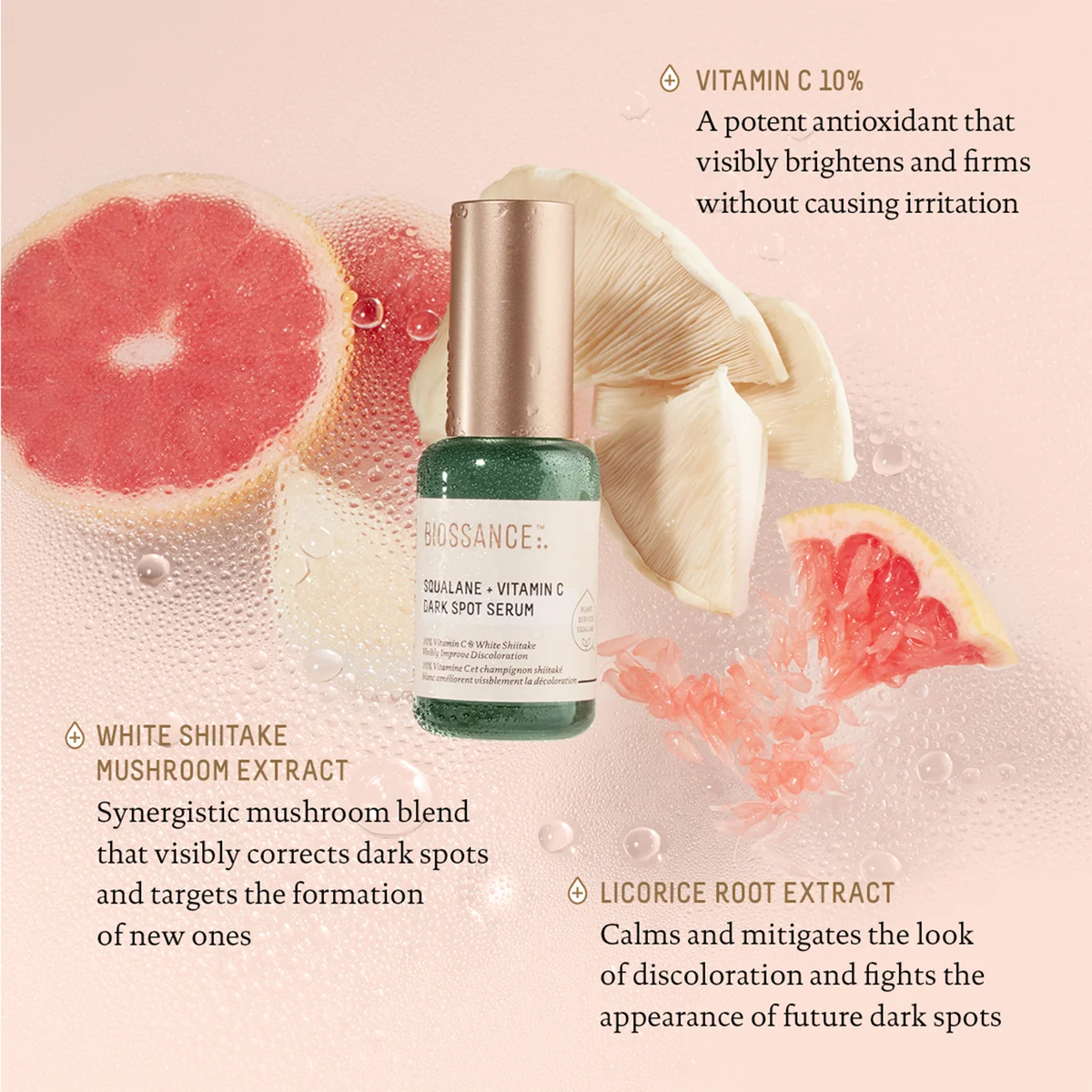
Start with a low concentration of vitamin C, around 10%. This is gentle for most skin types. Increase slowly if your skin handles it well. Higher doses can cause redness or dark spots on sensitive skin.
Patch Testing Tips
Apply a small amount of serum on your inner arm. Wait 24 hours to see if you get redness or itching. No reaction means it is safe for your face. Patch testing helps avoid bad skin reactions.
Sun Protection Importance
Vitamin C makes your skin more sensitive to sunlight. Always use sunscreen after applying serum. Protect your skin from UV rays to prevent dark spots. Use sunscreen with at least SPF 30 every day.
Credit: www.biossance.com
Alternatives For Dark Spot Treatment
Dark spots can be stubborn and frustrating. Vitamin C serum helps many, but it might not work for everyone. Some people may want other options that suit their skin better. Exploring alternatives can offer new ways to reduce dark spots safely and effectively.
Other Serums And Ingredients
Several serums target dark spots with different ingredients. Niacinamide is popular for brightening and calming skin. It reduces redness and evens skin tone gently. Alpha arbutin helps block melanin production. This can lighten dark spots over time. Retinol boosts skin cell turnover, fading spots gradually. Glycolic acid exfoliates dead skin cells, revealing fresh skin underneath. These ingredients work well alone or combined. Always patch test new products to avoid irritation.
Professional Treatments
Professional treatments offer stronger options for dark spots. Chemical peels remove the top skin layers, reducing pigmentation. Laser therapy targets dark spots precisely, breaking down pigment. Microdermabrasion exfoliates skin, promoting new cell growth. These treatments require expert care to avoid side effects. A dermatologist can suggest the best option based on skin type. Professional help often speeds up results safely. Consider treatment frequency and aftercare for lasting effects.

Credit: www.amazon.com
Frequently Asked Questions
Can Vitamin C Serum Cause Dark Spots On Skin?
Vitamin C serum rarely causes dark spots. It usually brightens skin and reduces pigmentation. However, misuse or low-quality products may irritate skin, potentially worsening spots.
Why Does Vitamin C Serum Sometimes Darken Skin?
Darkening may occur if Vitamin C oxidizes or reacts with sunlight. Using expired serum or skipping sunscreen increases this risk. Proper storage and application prevent skin darkening.
How To Prevent Dark Spots From Vitamin C Serum?
Always apply Vitamin C serum on clean, dry skin. Use a broad-spectrum sunscreen daily. Choose stable formulations and avoid mixing with irritating ingredients to prevent dark spots.
Can Vitamin C Serum Cause Hyperpigmentation?
Vitamin C typically reduces hyperpigmentation. But in rare cases, sensitive skin may react, causing temporary pigmentation. Patch test before use to minimize this risk.
Conclusion
Vitamin C serum rarely causes dark spots on its own. It actually helps reduce spots and brighten skin. Sun exposure after applying serum may cause skin problems. Always use sunscreen to protect your skin. Choose serums made for your skin type.
Start with a small amount to see how your skin reacts. If irritation or dark spots appear, stop using the serum. Taking care of your skin daily is important. Vitamin C can be helpful when used correctly. Stay consistent and patient for the best results.