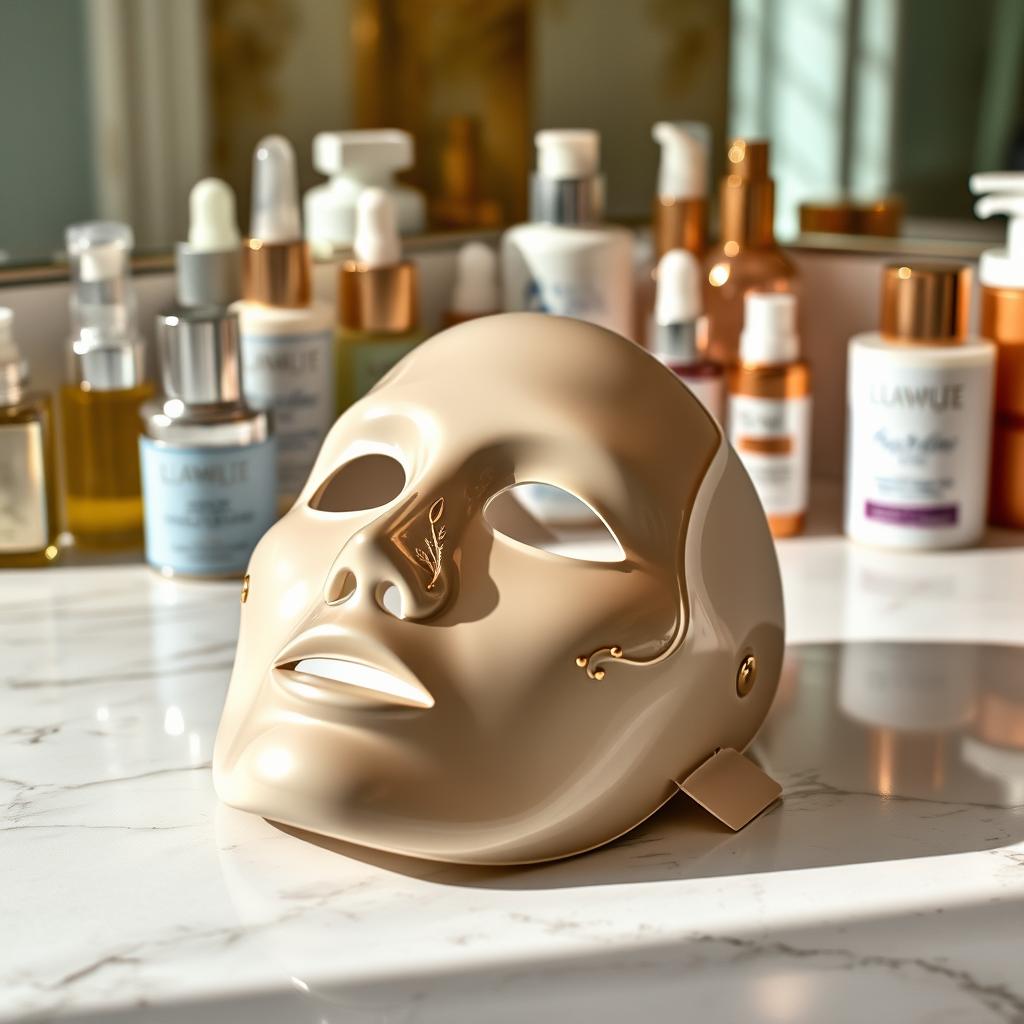

You probably know someone whose skincare routine is a battleground — oily T-zone shining by noon, dry cheeks flaking in winter. Probably you've likely tried masks that fix one half of your face while wrecking the other.
Actually, let's put that more precisely. Single-mask application is the number one reason combination skin stays unbalanced.
Clay sucks moisture from your cheeks. Collagen slides right off your oily forehead. The solution?
Treat your face like a map, not a single terrain.
Key Point
- Zonal targeting cuts total masking time by about 40% because you address oil and dehydration in one 15-minute session.
- Clay masks work through ionic adsorption — the negative charge of Bentonite binds to positively charged impurities, pulling them from pores.
- Rinse clay off while it's still damp, around the 10-minute mark. If it cracks, you've waited too long and are now stripping your moisture barrier, not helping it.
- Most store-bought “collagen” masks contain gelatin that can't penetrate the skin. Look for hydrolyzed collagen with peptides under 5,000 Daltons.
Why Single-Mask Routines Fail Combination Skin
About 73% of people with combination skin default to a one-size-fits-all mask, which is a setup for localized inflammation. Read that again if you need to. Clay on the cheeks triggers redness and tightness. A rich collagen cream on the nose feeds excess sebum production.
This isn't just an annoyance. It disrupts the barrier and actually worsens oil-water imbalance over time.
You end up over-producing oil to compensate for dehydration. That vicious cycle is what most “oil control” items miss through and through, which means consider this: the only way to treat two conflicting demands at once is to apply different formulas to different zones. Dr. Shereene Idriss, a board-certified dermatologist. Has flatly said zonal application is the single protocol for combination skin that avoids cheek irritation.
How to Multi-Mask with Collagen and Clay (Step-by-Step)
Here's how to do it without clashing ingredients or wasting product. It makes sense.
Step one, start with a clean; dry face. No toner, no serum. You need bare skin so the masks can do their chemistry.
Step two, map your zones. The T-zone (forehead, nose, chin) gets Bentonite clay.
The U-zone (cheeks and under-eyes) gets a hydrolyzed collagen mask. Use a silicone brush for the clay to prevent your fingers from absorbing the expensive collagen (at least based on current observations) serum on the other side. A trick early adopters on Reddit swear by after quite a few purple fingerprints. Step three, let both masks sit for exactly 10 to 12 minutes, not longer
The 500 Dalton Rule means collagen peptides need time to penetrate. But clay doesn't need to dry completely. 7, so. When it dries completely, it starts pulling water out of your cells. Danuta Mieloch, a renowned esthetician.
Warns that cracking clay is a clear sign of dehydration. Rinse with lukewarm water (30°C to 35°C) while massaging gently. The clay's ion exchange clears the sebum barrier. And afterward, your collagen mask's nutrients can reach deeper.
Immediately follow with a light moisturizer.
FAQs & Expert Takeaways
Is it safe to mix clay and collagen in the same session?
What you'll notice is absolutely, as long as they don't overlap on the same skin. Physical separation prevents pilling and ingredient clashing. The real magic happens after removal.
Generally speaking, so the collagen peptides get through with almost nothing in their way. This detail matters more than it might seem right now.
What should I look for in a collagen mask to avoid wasting money?
Ignore anything that lists “hydrolyzed collagen” but doesn't specify molecule size. If the brand won't disclose Daltons.
You're likely getting gelatin that sits on top. Aim for under 5,000 Daltons, and check that it's from a medical-grade source. Not exactly what you'd expect. Yes, it's pricier, but about eight out of ten cheaper masks are glorified Jell-O.
How often can I do this?
Twice a week, max. More frequent use of high-pH clay can disrupt your barrier. If your skin isn't used to it.
Pay attention to humidity and stress. Your skin's oil production fluctuates daily; adjust so.
At this point, you've a protocol that gives you matte, or at least, skin where you need it and plump hydration where you don't. If you're still using one mask for your whole face.